Letters · 10 min read
How to Write a Letter Like You Mean It
Everyone can write a letter. Almost no one does. That is exactly why it works.

You are not out of practice because you've forgotten how. You are out of practice because for twenty years no one has asked you to. A letter is a muscle. It comes back within a page.
Start with the person, not the news. Not 'Dear Mum, hope you are well' — that is a formality, and formalities are where honesty goes to die. Start with the actual first thought: 'I was walking past the bakery on Elm Street today and thought of you.' Now you're both in the room.
The whole trick of a good letter is refusing to sound like an email.
Write by hand if you can. Handwriting is slower than the brain, and that gap is where the tender sentences live — the ones you would have edited out on a keyboard. Ink on paper does something a screen cannot: it makes the recipient believe they were worth the extra minute.
Say the specific thing. Not 'thank you for everything.' Say 'thank you for the Sunday you drove three hours to pick me up and never brought it up again.' Specificity is love made visible.
It is fine to be brief. A four-line letter that says one true thing outperforms a full page of pleasantries every time.
Sign your name in full. Fold once. Stamp it. Post it the same day, before your nerve leaves you. Do not reread it more than twice — a letter is a photograph of one honest moment, not an essay you have to defend.
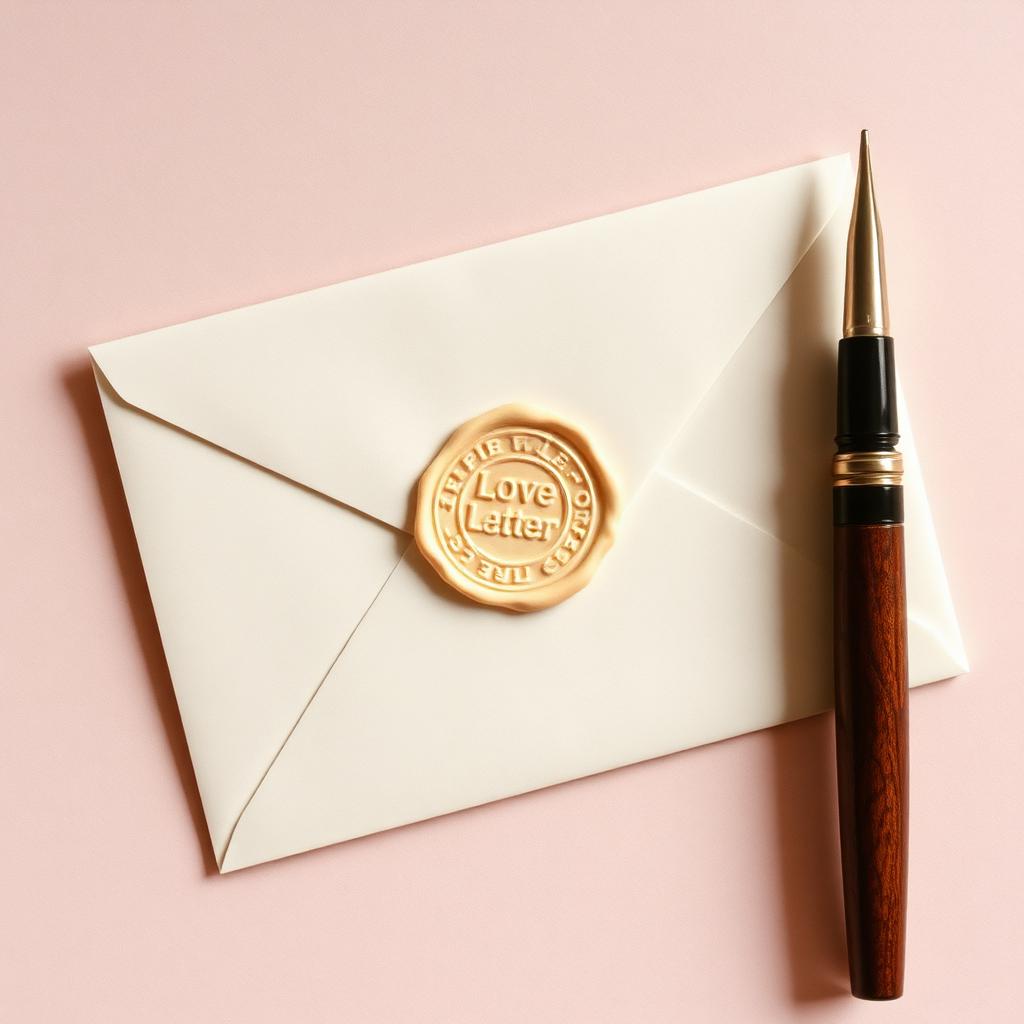
A note on pens, because you asked. A Uni-ball Eye 0.5 for a clean everyday hand. A Lamy Safari fountain pen if you want the letter to feel like an event. A cheap Bic if you're writing at a kitchen table and the point is not the pen — the point is that you wrote at all.
The letter you're putting off is not a project. It's one page. Start it tonight. Post it tomorrow.